


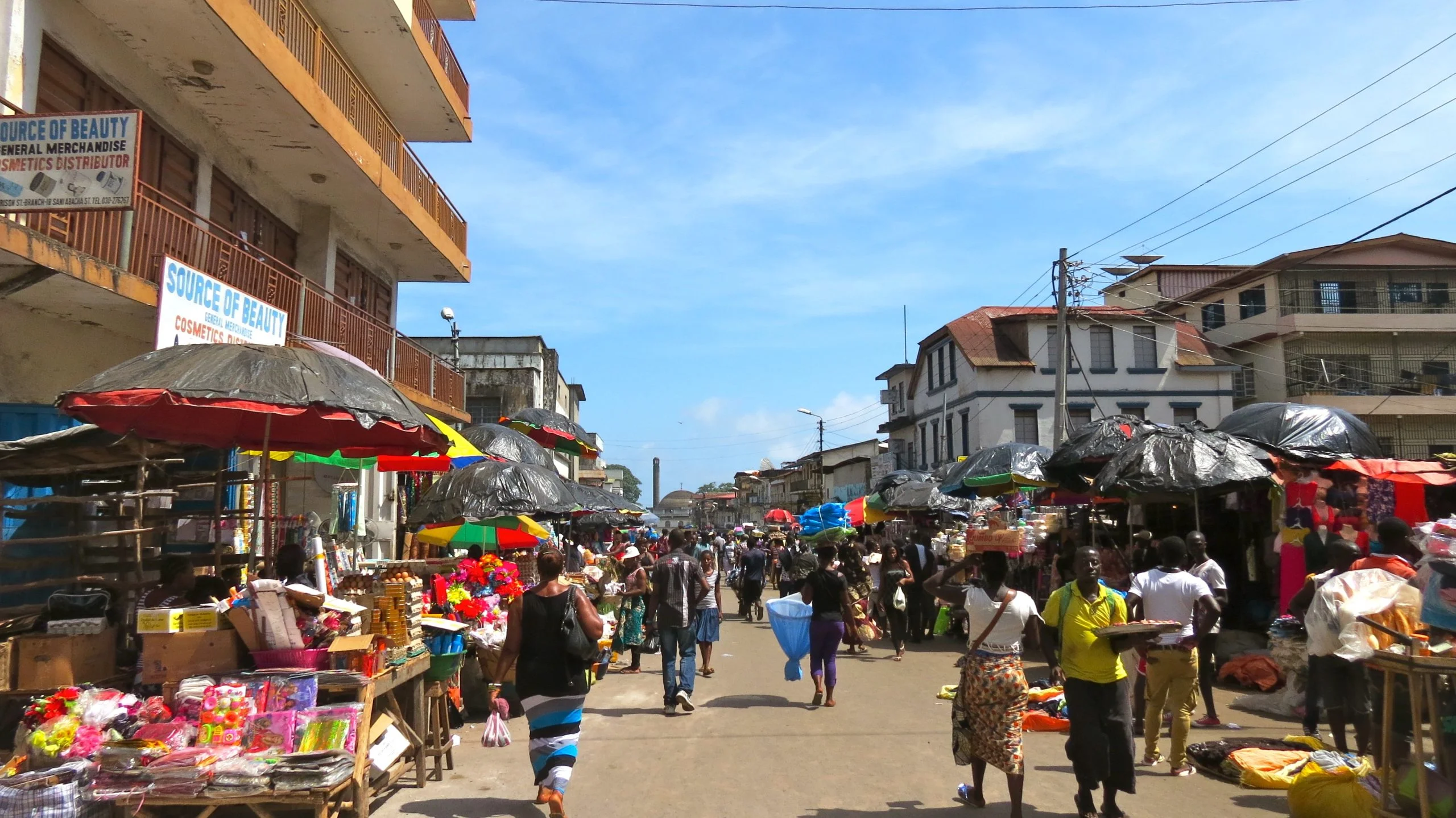
Freetown is gaining regional recognition for a bold property tax reform initiative designed to close persistent funding gaps in urban development. Sierra Leone’s capital has implemented the overhaul to generate sustainable local revenue, addressing infrastructure and service deficits that have long constrained municipal growth and planning.
The reform targets systemic inefficiencies in property valuation and collection, creating a more transparent and enforceable framework for municipal financing. By broadening the tax base and improving compliance mechanisms, Freetown aims to secure reliable funding streams independent of volatile central government transfers or external aid.
Other West African cities grappling with similar revenue challenges are closely watching Freetown’s approach. Urban planners and municipal leaders across the region view the initiative as a potential blueprint for strengthening local fiscal autonomy while delivering essential public services in rapidly growing urban centers.
The success of this homegrown solution could reshape how African capitals finance development. Freetown’s model demonstrates that pragmatic tax reforms—tailored to local contexts—can unlock resources for resilient, self-sustaining urban growth without waiting for external intervention.