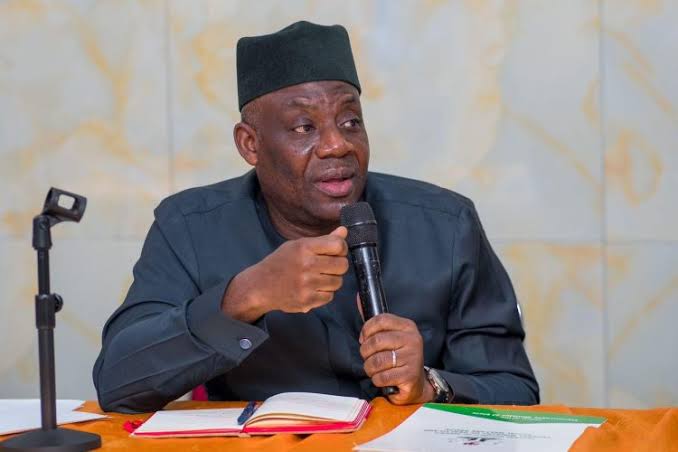
Education stakeholders in Nigeria are voicing strong concerns over recent policy decisions by the Federal Ministry of Education. Key among the issues is the removal of History from the basic school curriculum — a move critics say threatens cultural preservation and civic understanding.
There is also growing unease about the discontinuation of mother tongue instruction in primary schools. Advocates argue that learning in indigenous languages improves comprehension, strengthens identity, and supports early childhood development.
Stakeholders warn that these policy changes could weaken national identity, reduce learning outcomes, and widen existing educational gaps. Many are now calling on the government to reconsider the reforms and prioritise inclusive, culturally grounded education.