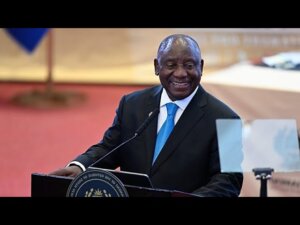
South African President Cyril Ramaphosa says his country is “always ready” to help mediate the escalating war in the Middle East as the US and Israel’s Iran offensive triggers retaliatory strikes from Tehran, spurring wider regional instability.
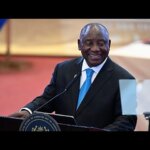
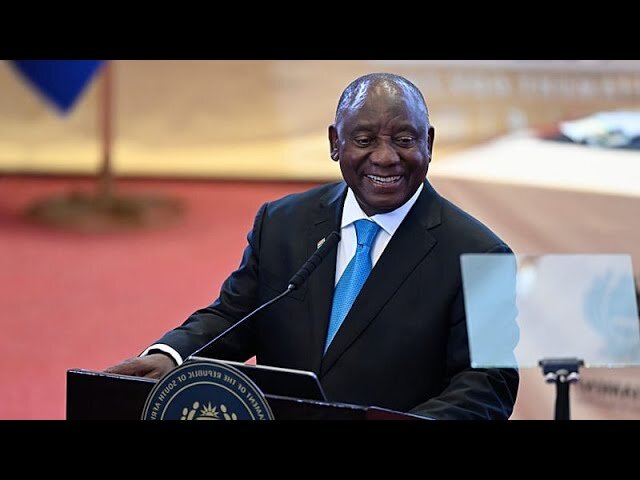
Ramaphosa told reporters that Pretoria is “always ready to play a contributing role, either in mediation or whatever, and if a gap opens or if we are asked, we always live up to obligations.
South Africa called for an immediate ceasefire and an end to “this madness,” he said, adding that while US President Donald Trump is preoccupied with the war, Pretoria will press for dialogue if the opportunity arises.
Ramaphosa stressed that “dialogue is always the best way” to end the war and prevent further “unnecessary” loss of life.
Tensions have escalated across the region since the US and Israel launched large-scale attacks on Iran on Saturday, which have since killed over 1,000 people, including Supreme Leader Ali Khamenei and top military officials.
The strikes came as talks between Washington and Tehran over the latter’s nuclear program were ongoing under Oman’s mediation.
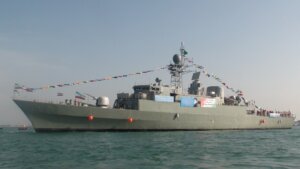
Iran has responded with drone and missile strikes targeting Israel as well as Gulf countries, which are home to US military assets.
Africa hit by war as energy prices, supply chains strain
Ramaphosa called the situation in the Middle East “calamitous” and warned that it is the “most dangerous development,” with the potential to spill beyond the region as more countries become involved.
The president said he has spoken to several heads of state in the region to convey South Africa’s commiserations, express hope for the safety of their citizens, and request protection for South Africans in their countries.
He said the Foreign Ministry is working on the ground to identify South Africans in the Middle East who need assistance and would seek to repatriate those stranded once the airspace reopens for safe travel.
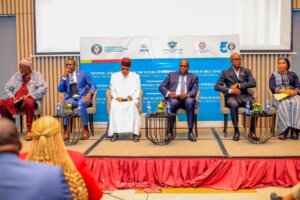
Ramaphosa also told the Africa Energy Indaba conference that Africa is already feeling the effects of the escalating war, citing pressure on supply chains and rising energy prices.
“As we have seen with Russia-Ukraine and during the COVID-19 pandemic, shifting geopolitical sands underscore the vulnerabilities of import-dependent economies across Africa,” he added.
He said these “vulnerabilities” underscored the need for stronger regional and continental energy security and diversification.