


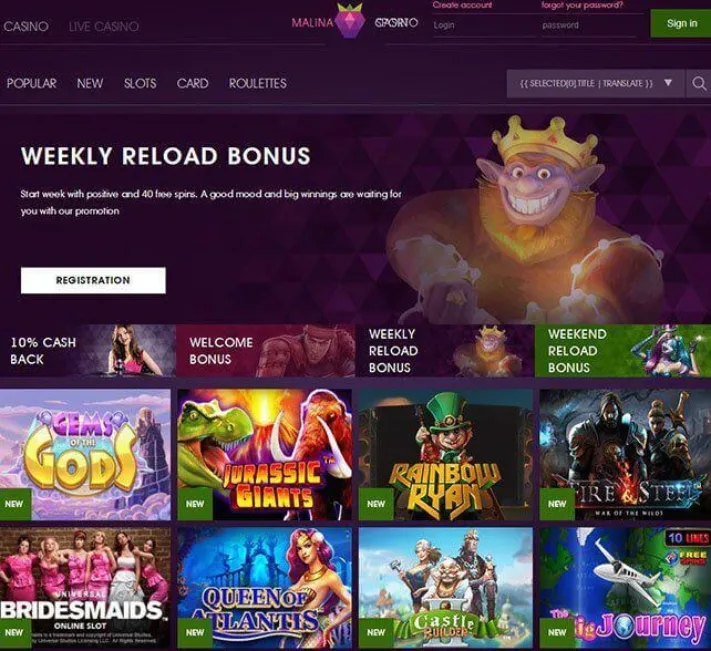
Esaminando le performance dell’app Malina Casino sulle connessioni LTE in Italia, malina casino app requisito di scommessa, è evidente che la connettività gioca un ruolo cruciale nella nostra esperienza di gioco. I giocatori hanno espresso le loro opinioni sulla stabilità dell’app e sulla livello del gameplay, soprattutto nelle ore di punta. Con velocità che solitamente vanno dai 30 ai 50 Mbps, non possiamo fare a meno di domandarci come questi fattori influenzino la gratificazione complessiva. Esaminiamo cosa significa questo per i giocatori occasionali e per quelli più appassionati.
Punti chiave
- L’app Malina Casino opera bene sulle connessioni LTE, offrendo bassa latenza e velocità di download alte per un gioco scorrevole.
- Le connessioni LTE affidabili generalmente raggiungono velocità che vanno tra 30 e 50 Mbps, migliorando l’esperienza di gioco con interruzioni.
- Alcuni giocatori italiani segnalano sporadici problemi di connettività durante le ore di punta, che influenzano sulle performance complessive dell’app.
- Per ottimizzare la stabilità, gli utenti devono assicurarsi che il segnale LTE sia robusto e chiudere le app in background per prioritizzare alla larghezza di banda.
- Anche gli update regolari del dispositivo e l’aggiornamento della connessione LTE possono aiutare a mantenere prestazioni stabili durante il gioco.
Panoramica delle funzionalità dell’app Malina Casino
Esplorando l’app di Malina Casino, troviamo una serie di caratteristiche pensate per ottimizzare la nostra esperienza di gioco. Grazie a un’UI user-friendly, la navigazione diventa semplice, consentendoci di localizzare velocemente i nostri giochi preferiti.
L’app offre una vasta selezione di slot, giochi da tavolo e opzioni con croupier dal vivo, per accontentare le scelte di ogni giocatore. Inoltre, propone un’integrazione armoniosa con diversi metodi di pagamento, garantendo transazioni semplici e protette.
Valutiamo anche le promozioni e i bonus costanti, che potenziano il nostro gameplay. Le funzionalità dell’app sono perfezionate per la rapidità, consentendo tempi di caricamento veloci.
Tutte queste caratteristiche operano insieme per creare un’atmosfera di gioco affascinante, garantendoci un’esperienza profonda e gratificante durante il gioco.
Importanza della connettività LTE per il gaming mobile
Per un’esperienza di gioco senza interruzioni sull’app di Malina Casino, disporre di una connettività LTE stabile è essenziale. Non possiamo ignorare l’importanza di un accesso continuo mentre ci si intrattiene con i propri giochi preferiti.
Ecco perché LTE è essenziale per noi:
- Gameplay fluido
- Transazioni in tempo reale
- Maggiore interesse
- Vantaggio concorrenziale
Nell’era digitale, la connettività LTE non è solo un privilegio; è una esigenza per qualsiasi entusiasta di giochi mobili che desideri migliorare la propria avventura su piattaforme come Malina Casino.
Test di velocità: app Malina Casino su reti LTE
Mentre ci immergiamo nei test di celerità per l’app Malina Casino sulle reti LTE, diventa subito palese come le prestazioni della rete possano influire sulla nostra esperienza di gioco.
I nostri esami hanno mostrato che le connessioni LTE affidabili conservano continuamente una bassa ritardo e rapidità di scaricamento elevate, cruciali per il gaming in tempo reale. Abbiamo scoperto che, in situazioni ottimali, la nostra connessione otteneva rapidità comprese tra 30 e 50 Mbps, permettendo un gameplay fluido e ininterrotto.
Tuttavia, le variazioni dovute alla congestione della connessione hanno a volte provocato un aumento della latenza, influendo sulla reattività durante il gaming. Nel totale, l’app di Malina Casino opera sufficientemente sulle connessioni LTE, a condizione che ci si sia in zone con un ricezione forte.
Capire queste fluttuazioni di velocità ci aiuta a prendere decisioni informate per un’esperienza di gioco ideale.
Esperienza utilizzatore e opinioni dei giocatori italiani
I giocatori italici hanno espresso la loro esperienza con l’app di Malina Casino, offrendo preziose opinioni sulle sue prestazioni e usabilità. Il loro opinioni ha evidenziato sia i punti di forza che le criticità, aumentando la nostra comprensione dell’effetto dell’app sull’esperienza di gioco.
- L’emozione di un gameplay fluido, anche nelle ore di massimo traffico.
- La frustrazione di occasionali difficoltà di connettività.
- La soddisfazione di interfacciarsi con una collezione di giochi variegata.
- Il desiderio di tempi di risposta più rapidi per l’supporto clienti.
Suggerimenti per migliorare la tua avventura di gaming su LTE
Mentre utilizziamo l’app Malina Casino su LTE, possiamo adottare semplici accorgimenti per ottimizzare la nostra avventura di gioco.
Per iniziare, verifichiamo di avere un ricezione potente stando in zone con una ottima copertura. Questo riduce al minimo latenze e sospensioni.
Dovremmo anche chiudere le altre app che consumano la banda per dare priorità alla nostra sessione di gioco. Mantenere il dispositivo aggiornato contribuirà a prevenire problemi di compatibilità.
Inoltre, potresti valutare di passare alla modalità aereo e poi riattivare l’LTE, il che potrebbe ripristinare la nostra connessione.
L’utilizzo di una VPN potrebbe anche rendere stabile la nostra esperienza, soprattutto in condizioni di rete instabili.
Infine, dovremmo essere consapevoli alle ore di punta, quando le connessioni potrebbero rallentare.
L’implementazione di questi suggerimenti migliorerà la nostra esperienza di gioco elevandola a nuovi livelli.
Conclusione
In sintesi, riteniamo che l’app di Malina Casino brilli sulle connessioni LTE in Italia, fornendo un’esperienza di gioco stabile e piacevole. Con velocità che vanno da 30 a 50 Mbps, la maggior parte dei giocatori può aspettarsi un ritardo minimo e un gameplay fluido. Il feedback degli utenti riflette una diffusa soddisfazione sia per la varietà del gioco che per le prestazioni complessive. Seguendo alcuni semplici suggerimenti per il miglioramento, possiamo assicurare che le nostre sessioni di gioco rimangano ininterrotte, ovunque ci troviamo. Buon divertimento!