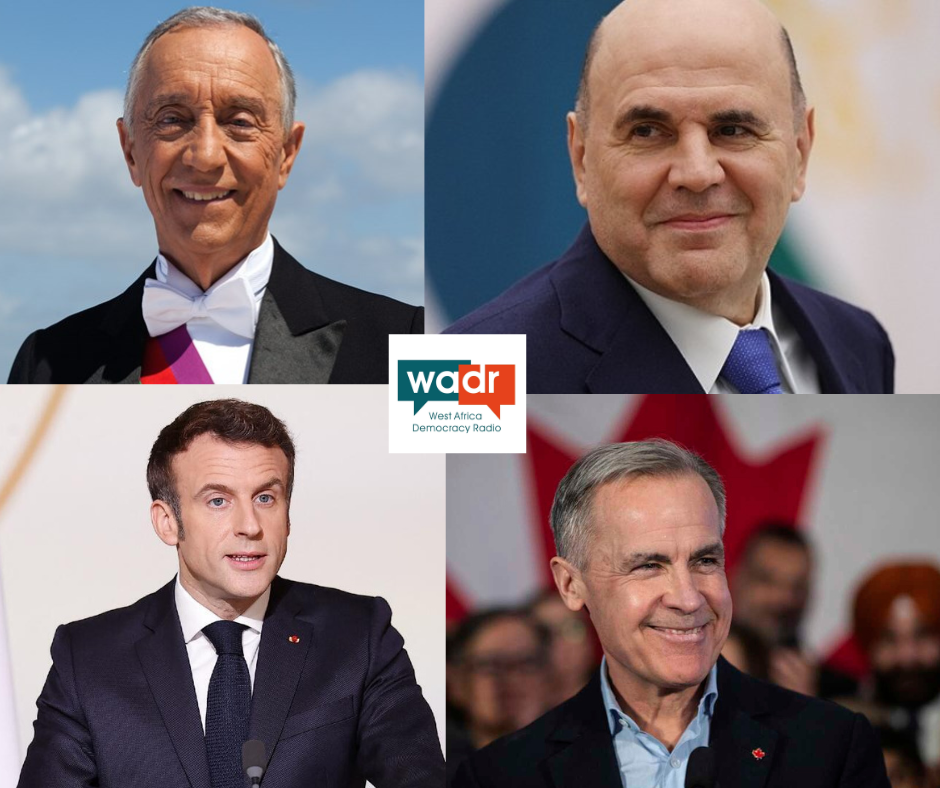
The Russian government officially withdrew from three military cooperation agreements with Canada, France, and Portugal on Saturday.
This decision was outlined in a decree signed by Russian Prime Minister Mikhail Mishustin and published on the government’s official website.
The decree detailed the termination of three specific agreements: the 1989 pact between Russia and Canada concerning military-related visits; the 1994 agreement between Russia and France on defence cooperation; and the 2000 accord between Russia and Portugal on military collaboration, all of which were signed in Moscow.
The latest withdrawals come amid a continuing collapse in Russia’s defence ties with Western nations following the full-scale invasion of Ukraine in 2022. Many of these agreements had already become largely symbolic, as military cooperation between Moscow and Western capitals had been frozen for years. Still, analysts say the formal cancellations signal Russia’s intent to permanently sever the remnants of Cold War–era and post–Cold War defence frameworks.
Moscow has increasingly shifted its military partnerships toward non-Western allies, including China, Iran, and several African and Middle Eastern states. By scrapping these longstanding agreements, Russia is reinforcing what experts describe as its “strategic realignment” away from Euro-Atlantic institutions and toward a bloc of countries more open to its geopolitical posture. The move also comes as NATO members deepen coordination to counter Russia’s influence and support Ukraine’s defence capabilities.