


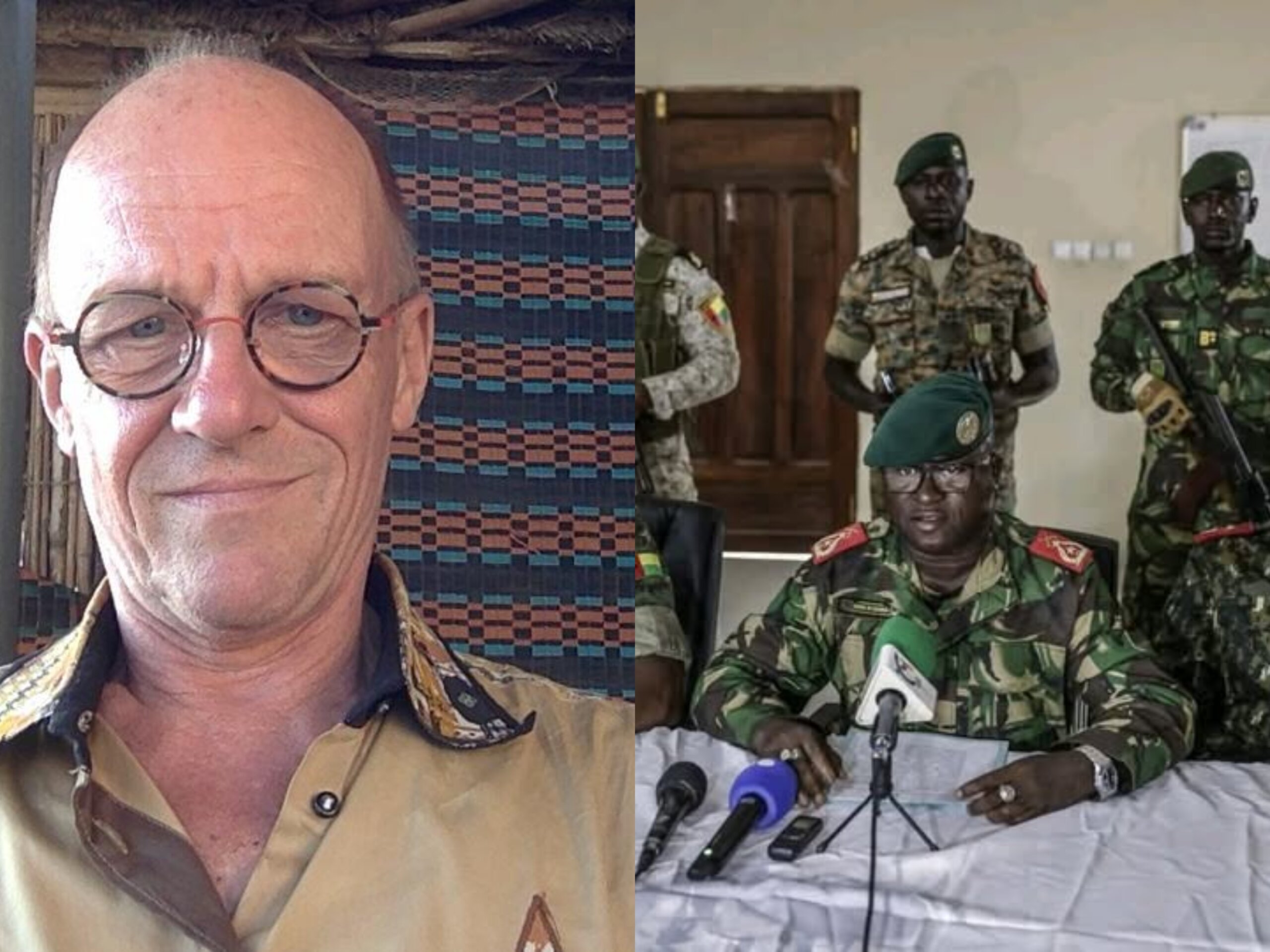
Guinea-Bissau, often described as one of West Africa’s most coup-prone nations, has today recorded its 15th successful military takeover since independence from Portugal in 1975. This tally excludes numerous attempted coups that have also shaken the capital, Bissau, over the decades.
Experts say the persistent instability stems from deep institutional weaknesses, fragile governance structures, and long-standing political rivalries. These issues, they argue, have worsened under President Umaro Sissoco Embaló’s leadership style, which critics describe as increasingly confrontational.
Security analyst Bram Posthumous, who closely monitors the Sahel and West Africa, notes that Guinea-Bissau’s recurring coups reflect unresolved tensions between political elites and the military. He adds that unless structural reforms are pursued, the cycle is likely to continue.
As the country grapples with yet another power shift, questions linger about whether meaningful change can emerge—or whether Guinea-Bissau will remain trapped in its long-standing pattern of political volatility.